A commercial roof is one of the most critical components of any business building. It protects your investment, ensures safety, and influences energy efficiency. But business owners often ask, “How long does a commercial roof last?” The answer is not straightforward, as several factors affect its lifespan. In this article, we will explore the types of commercial roofs, their typical lifespans, factors that impact durability, and tips to extend the life of your roof.
Types of Commercial Roofs and Their Lifespans
Commercial roofs come in a variety of materials, and each type has a different expected lifespan. Understanding these options can help you plan maintenance and budgeting for roof replacement.
1. Built-Up Roofing (BUR)
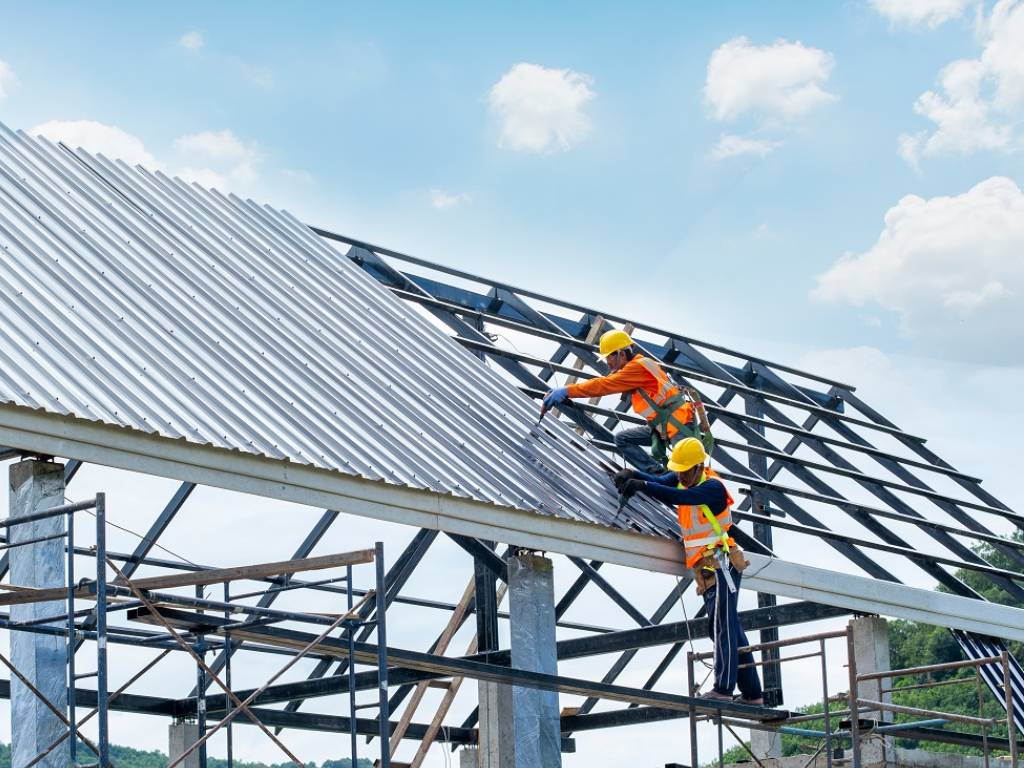
Built-up roofing, often called “tar and gravel” roofing, is one of the oldest commercial roofing systems. It consists of multiple layers of bitumen and reinforcing fabrics.
Lifespan: 15-30 years
Pros: Durable, excellent waterproofing
Cons: Heavy, requires professional installation, labor-intensive repairs
2. Modified Bitumen Roofing
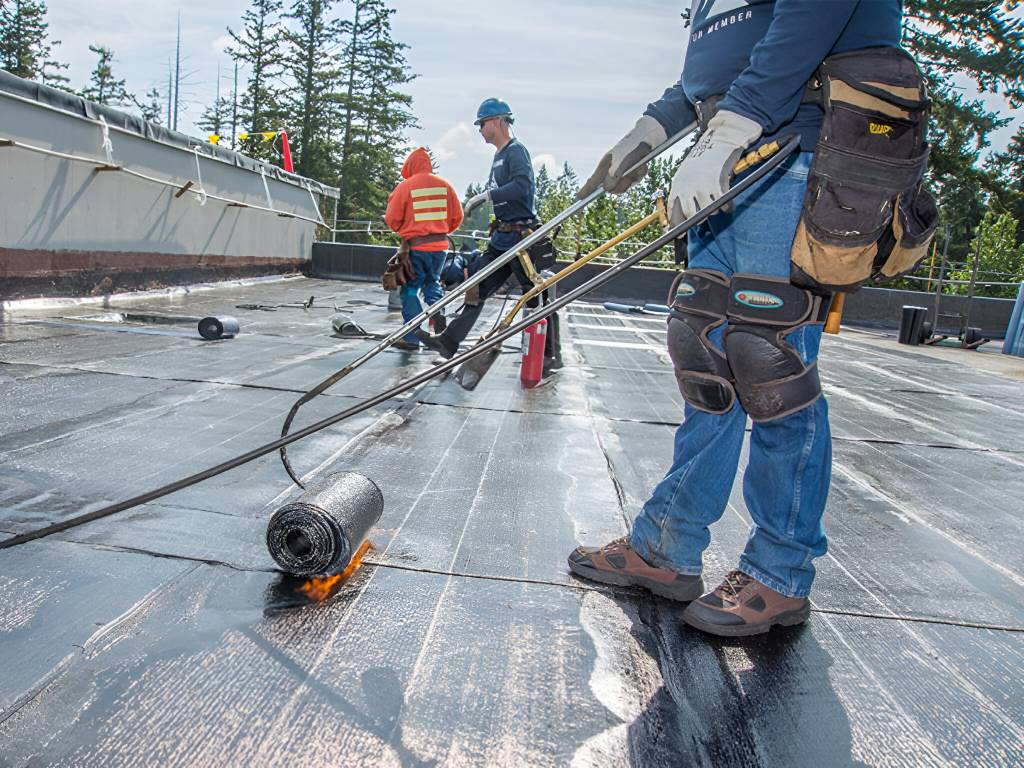
Modified bitumen roofing is similar to BUR but includes synthetic rubber or plastic polymers to increase flexibility. It can be installed with torch-down or self-adhesive methods.
Lifespan: 15-25 years
Pros: Flexible, resistant to extreme weather, easy to repair
Cons: Can be damaged by UV exposure over time
3. EPDM (Ethylene Propylene Diene Monomer) Rubber Roofing
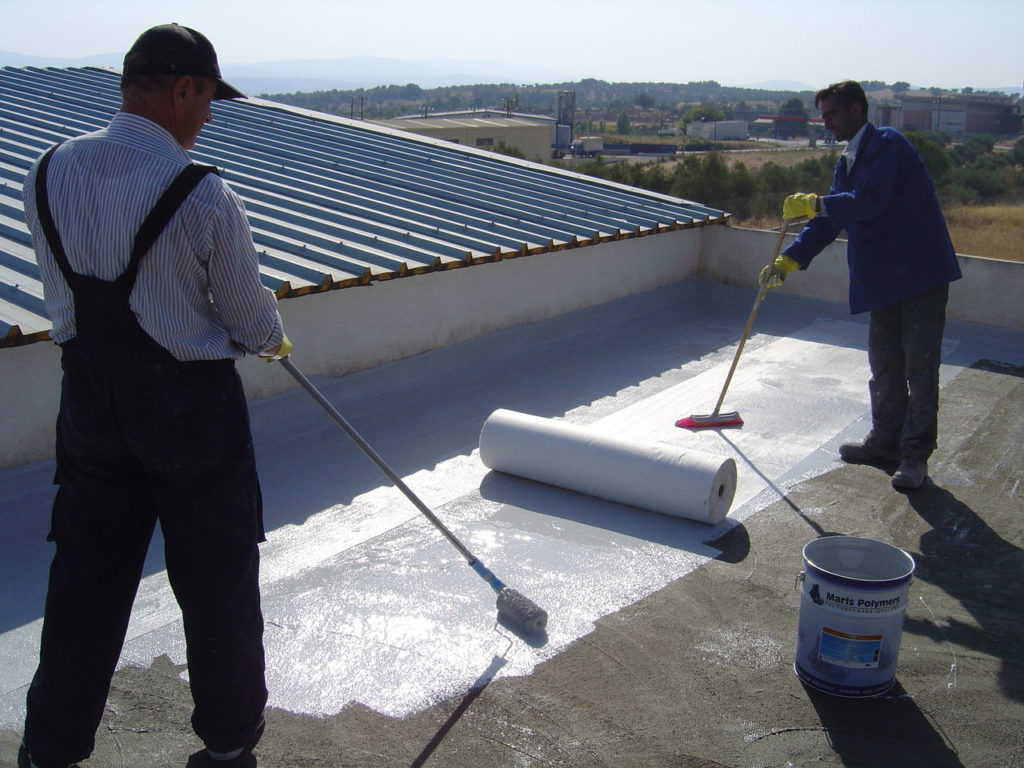
EPDM is a single-ply rubber membrane that is popular for flat roofs. It is lightweight and relatively easy to install.
Lifespan: 20-30 years
Pros: Cost-effective, durable, easy to maintain
Cons: Susceptible to punctures, black membrane absorbs heat
4. TPO (Thermoplastic Polyolefin) Roofing
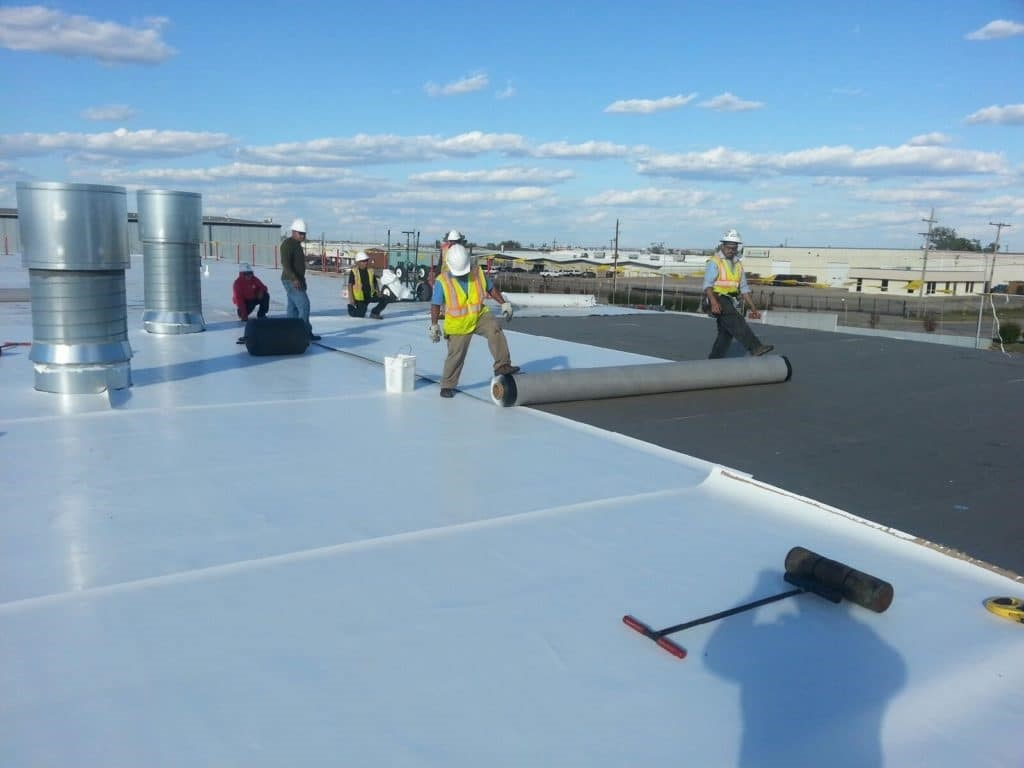
TPO roofing is a single-ply reflective membrane commonly used in commercial buildings. It is known for its energy efficiency.
Lifespan: 15-25 years
Pros: Reflective, energy-efficient, heat-welded seams reduce leaks
Cons: Newer technology, long-term durability still being studied
5. PVC (Polyvinyl Chloride) Roofing
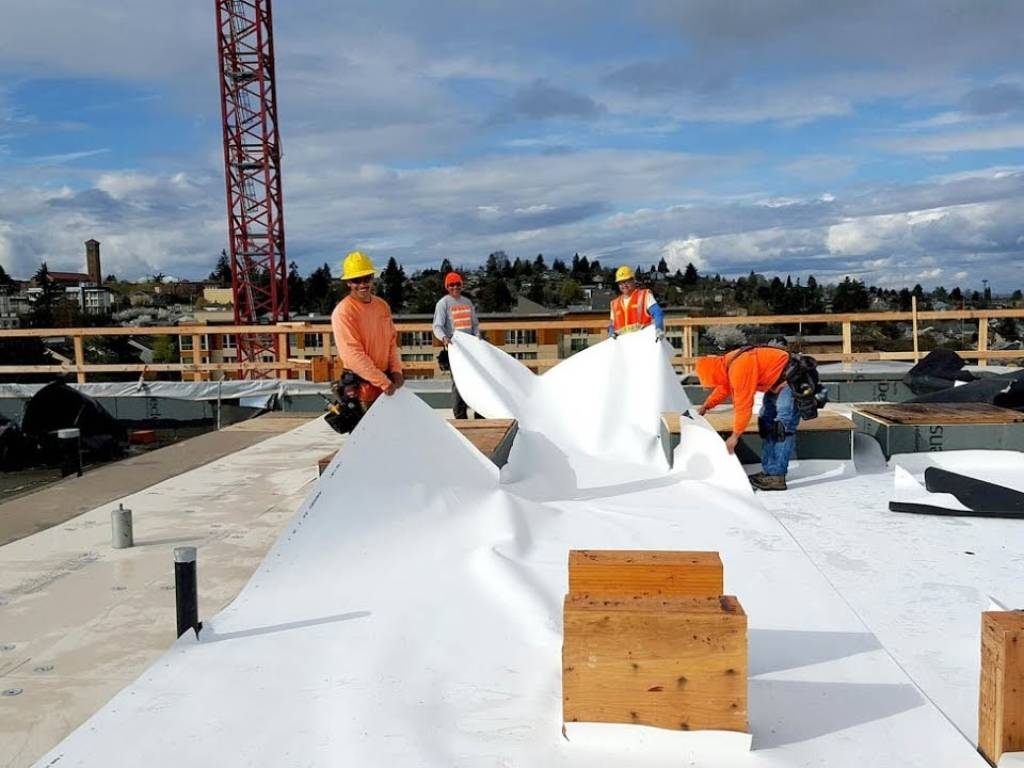
PVC roofing is another single-ply system often used in commercial buildings with high exposure to chemicals or fire hazards.
Lifespan: 20-30 years
Pros: Chemical and fire-resistant, durable, reflective
Cons: Higher installation costs, limited color options
6. Metal Roofing
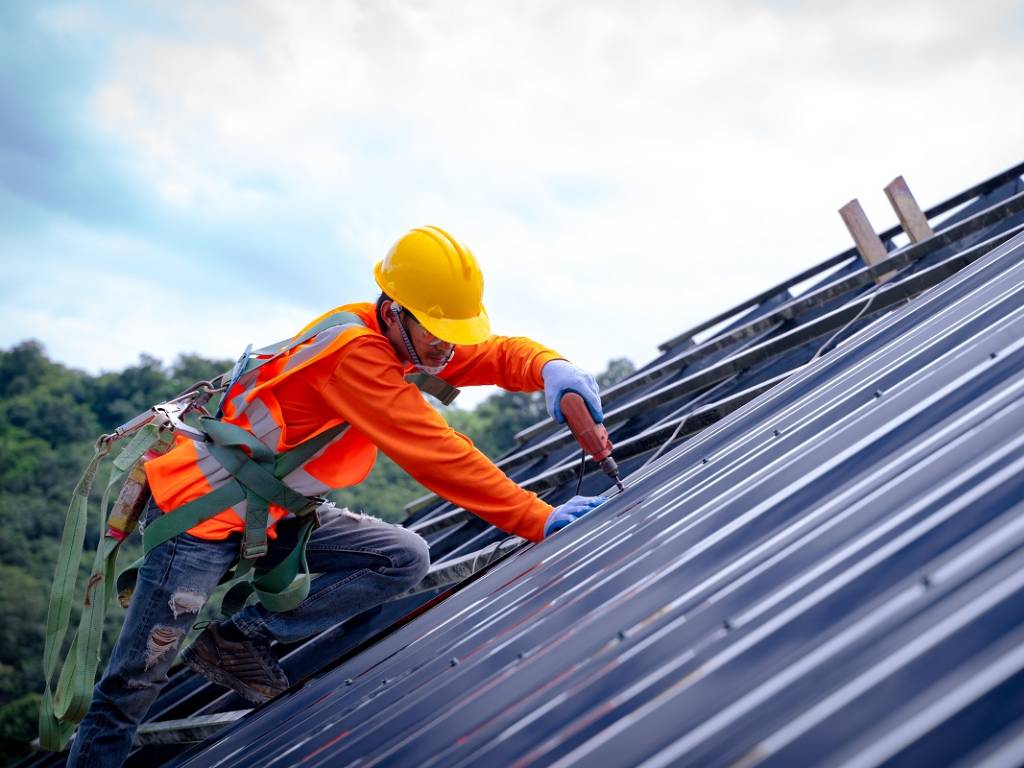
Metal roofs are gaining popularity in commercial spaces due to their longevity and minimal maintenance needs. They are made from steel, aluminum, or copper.
Lifespan: 30-50 years
Pros: Extremely durable, lightweight, recyclable
Cons: Higher upfront cost, can be noisy during rain or hail
Factors That Affect Commercial Roof Lifespan
Even the highest-quality roof can fail prematurely if not properly maintained. Here are the main factors that influence how long a commercial roof will last.
1. Material Quality
Not all roofing materials are created equal. Premium materials often last longer and withstand extreme weather better than budget options.
2. Installation Quality
A poorly installed roof can significantly shorten its lifespan. Professional installation ensures proper sealing, alignment, and structural support.
3. Weather Conditions
Extreme weather, such as heavy rainfall, hail, or intense heat, can wear down roofing materials faster. Flat roofs, in particular, may struggle with standing water.
4. Roof Design
Flat or low-slope roofs tend to have shorter lifespans compared to sloped roofs because water drainage is slower, which can lead to leaks and structural damage.
5. Maintenance and Inspections
Regular maintenance is essential. Inspections can identify minor issues before they become costly repairs. Simple actions like clearing debris, fixing leaks, and checking seals can extend a roof’s life.
6. Foot Traffic and Usage
Commercial roofs that see regular foot traffic for HVAC maintenance or other activities are prone to wear and tear. Protective pathways or designated walkways can help.
Signs Your Commercial Roof May Need Replacement
Even if your roof has years left on paper, certain signs indicate it might be time for a replacement:
- Frequent leaks or water stains on ceilings
- Visible cracks, blistering, or punctures in roofing material
- Sagging or pooling water
- Rust or corrosion on metal components
- Excessive granule loss on BUR or asphalt roofs
Tips to Extend the Lifespan of Your Commercial Roof
Taking care of your roof can save you thousands of dollars in repairs or early replacements. Here are actionable tips:
- Schedule regular inspections, at least twice a year
- Clear debris, leaves, and dirt from the roof surface
- Fix small leaks immediately to prevent bigger problems
- Maintain proper drainage to avoid water pooling
- Consider reflective coatings to protect against UV damage
- Hire experienced commercial roofing contractors for maintenance and repairs
When to Call Professionals
For any major repairs, replacements, or inspections, it’s best to rely on professional contractors. Companies like Trident Commercial Roofing offer expert evaluation and maintenance services that can significantly extend the life of your commercial roof. Professional expertise ensures that your building remains protected and compliant with local building codes.
To Summarize
The lifespan of a commercial roof depends on material type, installation quality, climate, and maintenance. Flat roofs like EPDM or TPO may last 15-30 years, while metal roofs can reach 50 years or more. Regular inspections, timely repairs, and quality materials are key to maximizing your roof’s life. By understanding your roof’s needs, you can protect your investment and ensure a safe, durable shelter for your business.
Investing in professional maintenance and high-quality materials is the most reliable way to make your commercial roof last longer and prevent unexpected expenses.
Frequently Asked Questions
1. How long does a commercial roof last?
The lifespan of a commercial roof depends on its material and maintenance. Flat roofs like TPO or EPDM typically last 15-30 years, while metal roofs can last 30-50 years. Regular inspections and repairs can extend a roof’s life significantly.
2. Which commercial roof lasts the longest?
Metal roofs generally last the longest, up to 50 years or more, due to their durability, resistance to weather, and minimal maintenance needs. Proper installation and care are crucial for maximum longevity.
3. Can regular maintenance extend a commercial roof’s life?
Yes. Scheduled maintenance, such as clearing debris, fixing small leaks, and inspecting seals, can add 5-10 years to the lifespan of your commercial roof. Professional inspections are recommended at least twice a year.
4. What factors shorten a commercial roof’s lifespan?
Several factors can reduce roof life, including poor installation, extreme weather, heavy foot traffic, standing water, and low-quality materials. Proactive care and choosing the right materials help prevent early damage.
5. How do I know when it’s time to replace my commercial roof?
Signs of a failing roof include frequent leaks, cracks or blisters, sagging areas, pooling water, rust on metal roofs, and excessive granule loss. If these issues persist despite repairs, replacement may be the most cost-effective solution.
6. Does roof type affect energy efficiency?
Yes. Certain commercial roofing materials, like TPO and PVC, are reflective and help reduce heat absorption, improving energy efficiency. This can indirectly prolong your roof’s lifespan by reducing thermal stress.
7. Why should I hire a professional for commercial roof maintenance?
Professional contractors, like Trident Commercial Roofing, ensure proper inspections, repairs, and maintenance. They can identify hidden problems early and provide solutions that prevent costly damage and extend roof life.
8. Can a commercial roof be repaired instead of replaced?
Minor damage, such as small leaks or punctures, can usually be repaired. However, if the roof is 20+ years old or has widespread damage, replacement is often the safer and more cost-effective option.